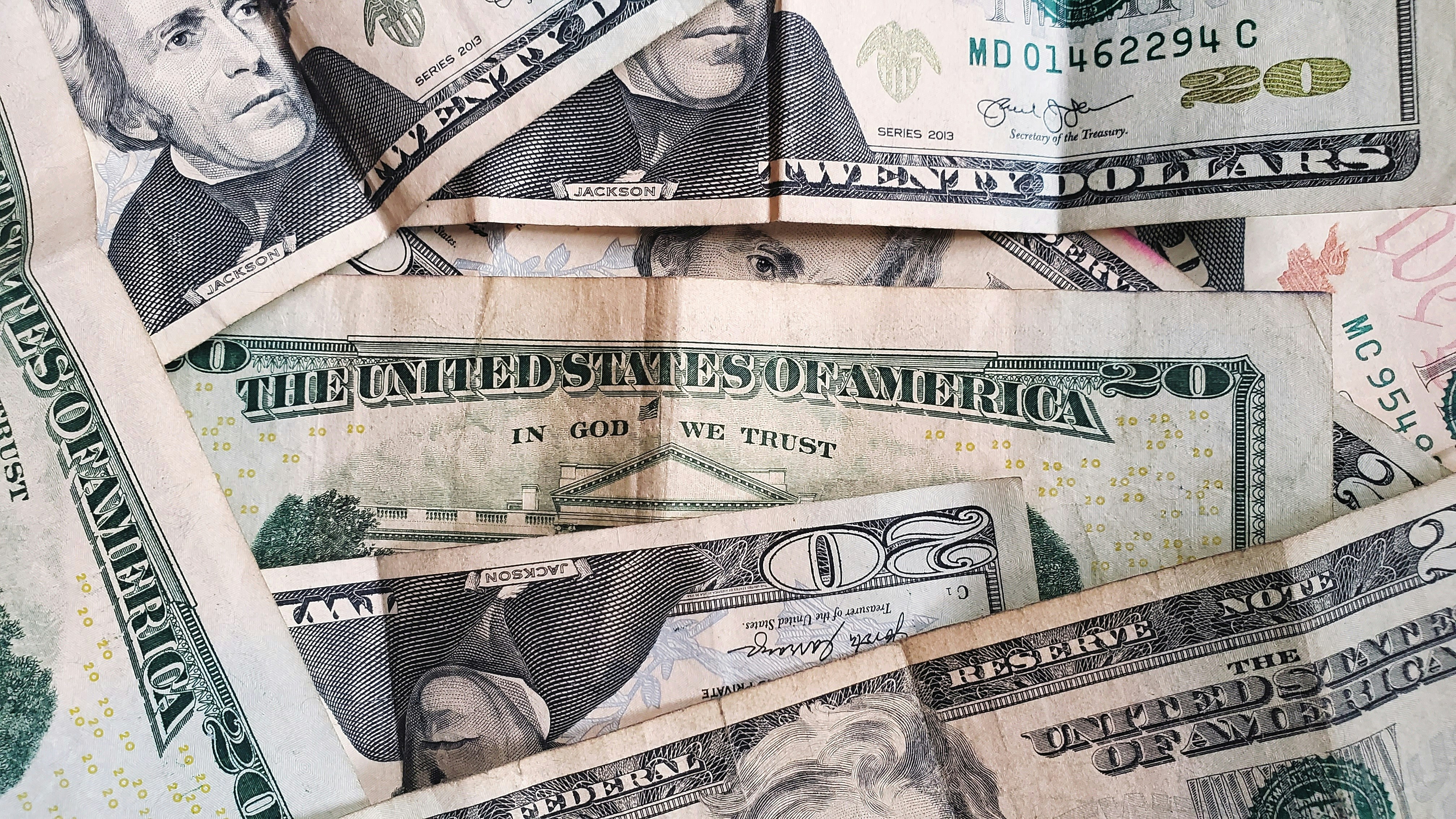
Unlike stocks, which largely reflect the private markets and companies, Treasury notes and bonds reflect government policy.
In the past, I’ve discussed the 10-year Treasury bonds and how it ties into the strength of the economy. This article instead shows how policies can make Treasury bonds and notes “cheap” or “rich.”
First: What Do We Mean By “Cheap”?
Cheap is often used to describe Treasury notes and bonds traded below face value, likely because rates rose after it was issued or it's a newly issued bond during a high-rate period.
The opposite of cheap is expensive or rich. Expensive Treasuries trade at a higher price and have a lower yield. These Treasury assets are more common when investors seek safer investments.
The Pros and Cons of Cheap Treasuries
There are a number of reasons why cheap treasuries are attractive:
- Higher yield to maturity. When a bond trades below par, your effective yield (what you actually earn if held to maturity) is higher than the coupon rate, since you're getting the face value back at maturity plus the coupon payments.
- Very low default risk. Treasuries are backed by the full faith and credit of the U.S. government, making them about as safe as an investment gets in terms of getting your principal back. While historical results do not guarantee present or future returns or stability, the perception of Treasuries as “safe” persists.
- Predictable income. Fixed coupon payments and a known maturity date make cash flows easy to plan around.
- Tax treatment. Interest can be exempt from state and local (but not federal) taxes.
- Portfolio diversification. Bonds often behave differently than stocks, which can smooth over general portfolio volatility.
The downsides, however, can also be significant and shouldn’t be underestimate:
- Interest rate risk. If rates keep rising after you buy, the bond's price falls further. You'd only be "getting a deal" in hindsight if rates stabilize or you manage to keep your bonds until maturity.
- Opportunity cost. Locking in a rate now means missing out if better rates appear later — or the reverse. While this is true of nearly every asset class, Treasury bonds can be less liquid than equities like stocks of ETFs, especially if bought from Treasury Direct. And there may be penalties for selling early, depending on the note or bond.
- Inflation risk. Fixed payments lose purchasing power if inflation runs hot, especially on longer-dated bonds.
- Lower absolute returns. Even at a "discount," Treasury yields are generally lower than riskier assets like stocks or corporate bonds over the long run.
- Reinvestment risk. Coupon payments you receive may need to be reinvested at lower rates than the original bond.
- Capital gains tax. If you buy at a discount and hold to maturity (or sell at a gain), the difference between purchase price and redemption/sale price is generally taxable as a capital gain. To make matters more confusing, sometimes this is treated as ordinary income depending on the discount size. It’s worth reviewing IRS rules on "market discount" bonds or working with both a tax and financial advisor to better understand your tax obligations when selling bonds.
Is This The Best Time For Treasuries To Be Cheap?
Cheap Treasuries aren’t always a good thing. In many cases, cheap Treasuries can spell economic downturns.
Let’s review periods when Treasuries were cheap or expensive and their economic causes to better understand the pattern behind Treasury investment prices.
The 1970s-1980s, commonly known as “The Volcker Era” is one of the most significant “cheap” periods in recent history. During this period Treasury yields climbed into the mid-teens due to high inflation. Anyone holding older, lower-coupon bonds watched their value crater but new buyers who purchased bonds at depressed prices did well as inflation cooled and prices rose. That said, if those with older bonds held their Treasury bonds and did not sell until maturity, they were able to buffer inflation-related losses.
In 1994, the Federal Reserve rapidly raised the Fed Funds Rate within a single year. This caused bond prices to fall sharply and quickly, resulting in “The Great Bond Massacre.” Orange County, CA, even went bankrupt from bond derivative losses tied to this event.
During the 2008-2009 Global Financial Crisis, we saw the opposite pattern. Treasury prices rose as investors bought into a “safer” asset. This was a period when Treasuries were expensive as investors flocked to buy them. Recessions typically raise the price of bonds, especially in this case, as the Federal Reserve lowered near-zero interest rates.
That said, the recession didn’t cause the expensive Treasuries. Instead, recessions and downturns create the environment for Treasury prices to rise while yields fall.
More recently, the bear market of 2022-2023 saw the 10-year-yields for Treasury bonds rise from 1.5% in 2021 to 5% in October 2023, with notes losing 30-40% of their value. Post-pandemic inflation caused aggressive Fed hikes and stoked recession fears—and also shows one example of “cheap” Treasuries. Investors who bought bonds during this period locked in some of the highest yields in over a decade.
The Pattern Across These Periods
Treasury bonds tend to get "cheap" (yields rise, prices fall) when:
- Inflation is elevated or expected to rise
- The economy is strong enough that the Fed is tightening or expected to tighten
- Fiscal deficits are large, increasing bond supply
They tend to get "expensive" (yields fall, prices rise) during:
- Recessions or crises (flight to safety)
- Fed easing cycles
- Disinflationary environments
One might argue that cheap Treasuries today lead to expensive Treasuries later. This connection is one of the reasons why it’s so important to have a lower, more balanced 10-year Treasury yield. The more stable the Treasury is, the more stable the economy looks.
Connecting the Economy to Your Portfolio
As an advisor, I often use the Treasury bonds as an indicator, not only an asset. Given the last few years, the persistence of cheap Treasuries while the yield rises does not inspire confidence.
In contrast, it could be a time to take caution. Between the ballooning fiscal deficit and increasing inflation, it’s hard to imagine that Treasury bonds are cheap because of a strong economy rather than an imbalanced one.
While I can’t offer specific advice for your portfolio without seeing your investments firsthand, I find it helps to look at periods with cheap Treasury notes as a time to review emergency savings, liquidity, and risk tolerance.
In my Beyond the Numbers newsletter, I regularly review key connections between the economy and retirement investing, similar to this article. Sign up to stay in the loop.
Want a second opinion?
Want some feedback
on your retirement plan? We can help.
With over 40+ years of experience in the financial sector, and as a licensed fiduciary, founder Jon Green can help you look over your retirement plan and understand whether you are on track.
You can book a complimentary session
or call me at +1 (828) 884-8840.