October 14, 2026
What’s Going on with Gold?
October 14, 2026
This isn’t the first time I’ve written about gold.
read More
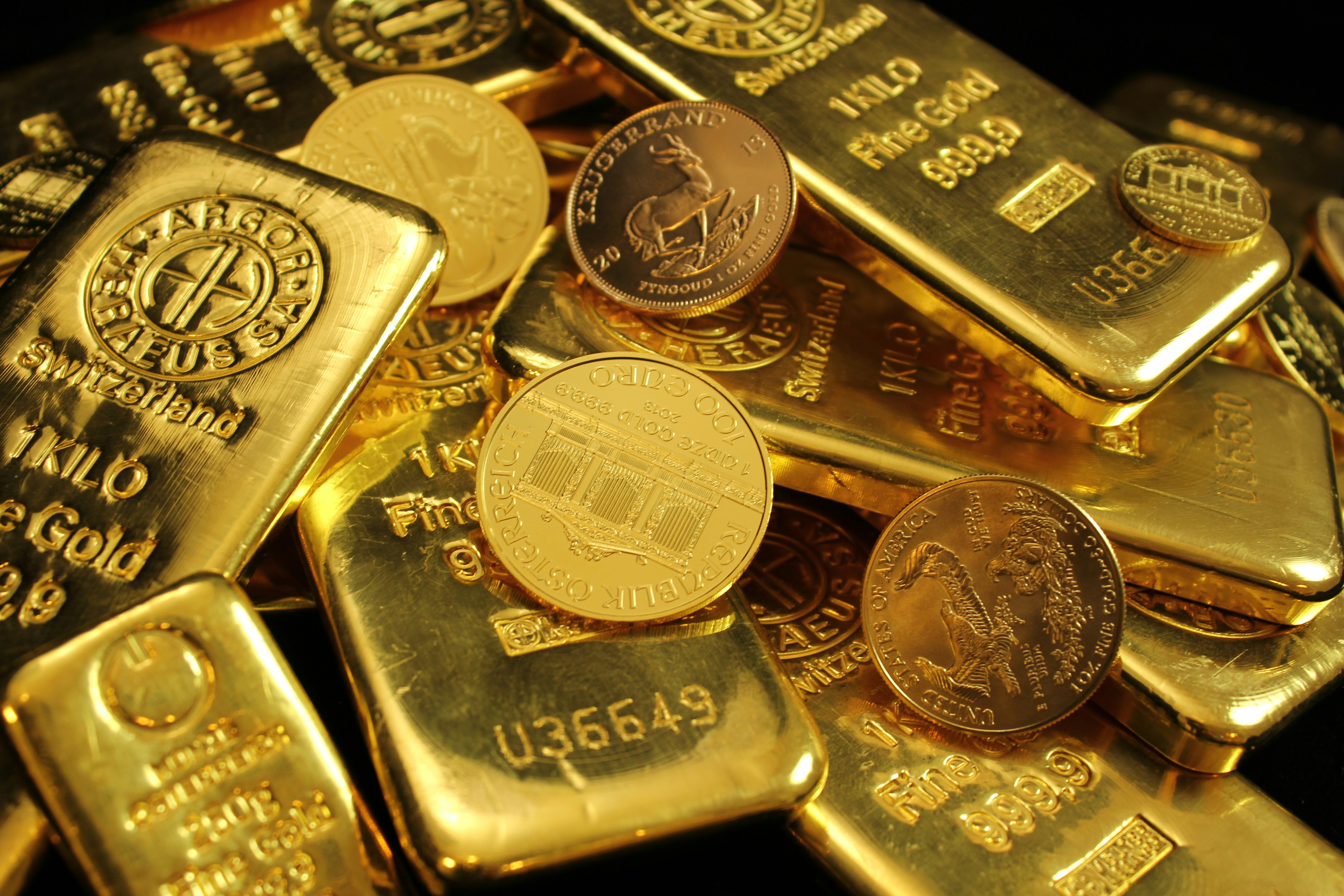
Back in 2023, I published a brief article on the pros and cons of investing in gold. But I didn’t really break down how gold (and similar metal commodities) offer economic indicators.
Who is investing and gold and why can tell us much about the state of a nation and current geoeconomics. These indicators, when combined with other analysis, illustrate potential paths the economy can take. In other words, we can use the overarching pattern of gold to make decisions about the economic outlook. And this helps us to make decisions about our portfolios.
As with any online discussion, this is not investing advice and should not be taken as such. Instead, I’ve compiled some key points about the gold market as an educational tool.
At the time of writing, gold is constantly in the news. And for good reason.
South Korea purchased gold in August for the first time in 13 years. Poland, on the border with Ukraine, was the leader in gold purchases in the last quarter, followed by China, which has been building up its reserves for quite some time. The World Gold Council also lists a number of new buyers, including Uzbekistan, Kazakhstan, Guatemala, Cambodia, and Indonesia. These nations join the Czech Republic, Turkey, and India, countries that regularly add to their large gold reserves.
Why the new interest? Well, that’s perhaps one of the easier concepts to explain.
Countries typically purchase gold to hedge against increasing risk and to bolster the domestic economy. Gold lends support to a government’s treasury, and thus, the value of its currency. And because its price changes often go opposite of the U.S. dollar, it offers a hedge against periods when the dollar is weak.
Gold also becomes a priority during periods of geopolitical unrest. The Russian invasion of Ukraine in 2022 is one event that sparked a renewed interest in gold in emerging economies. Volatility of the dollar due to changes in fiscal policy, such as we’ve seen with the current administration, also encourages other countries to reduce dependency on the U.S. Treasury bonds or the U.S. dollar.
Gold, unlike currencies—and not just the dollar—is seen as a more stable asset. It’s real, scarce, and is not dependent on a government or bank for value.
According to the Financial Times, China spent $158.8bn on gold in the first eight months of the year, tens of billions of dollars above what they paid in 2025. But this isn’t the only way the country uses gold to bolster its economy.
China uses its domestic currency, the Chinese Yuan, or Renminbi, to settle imports, which are acquired with gold. This creates a positive cycle for its currency. The international settlements drive up gold prices domestically, increasing the value of its gold stocks, and thus increasing the value of the Renminbi. This, in turn, improves the purchasing power of its citizens domestically.
This policy enables the country to increase its economic strength even as Chinese bonds slow,
Does this all translate into individual portfolios? In some cases, it can.
Knowing that governments are hedging their risk suggests that individual investors can do the same, with gold or another asset. This can signal continued headwinds, and that it may be worth it to review your emergency fund, potentially upcoming expenses, and credit.
Whether or not a country has a high reserve of gold can also indicate whether to invest in these countries through indices or funds. When combined with other fundamental signals, like P/E ratios, debt levels, economic growth, and sector diversification, gold reserves could suggest stability and growth potential. That said, gold should never be taken as a sole indicator to invest in a region, emerging market, or index fund.
Gold, like I’ve written before, can be a beneficial asset. But whether it’s physical gold or a digital certificate for a commodity changes its effects considerably, and investors should take note of which makes the most sense for their situation.
When making significant changes to your retirement portfolio or financial plan, it’s prudent to speak with trusted friends, families and advisors. If you would like a second opinion, I am always open to answer your questions in a no-commitement discovery call.
You can book a complimentary session
or call me at +1 (828) 884-8840.